
Luck or skill which truly dictates success in gambling
The Nature of Gambling: A Balancing Act
Gambling is a unique pursuit where chance and strategy intertwine, creating an environment that both excites and frustrates players. The thrill of risk combined with the potential for reward draws people to casinos, online platforms, and informal gambling setups. Understanding the delicate balance between luck and skill is essential for anyone looking to navigate this world, as it influences both the approach to gambling and the strategies employed. For those interested in enhancing their gaming experience, visiting https://bigbass-bonanza1.com/ can provide valuable insights into effective strategies. While some may rely on sheer chance, others dedicate time to mastering the art of play, making the debate on luck versus skill particularly relevant.
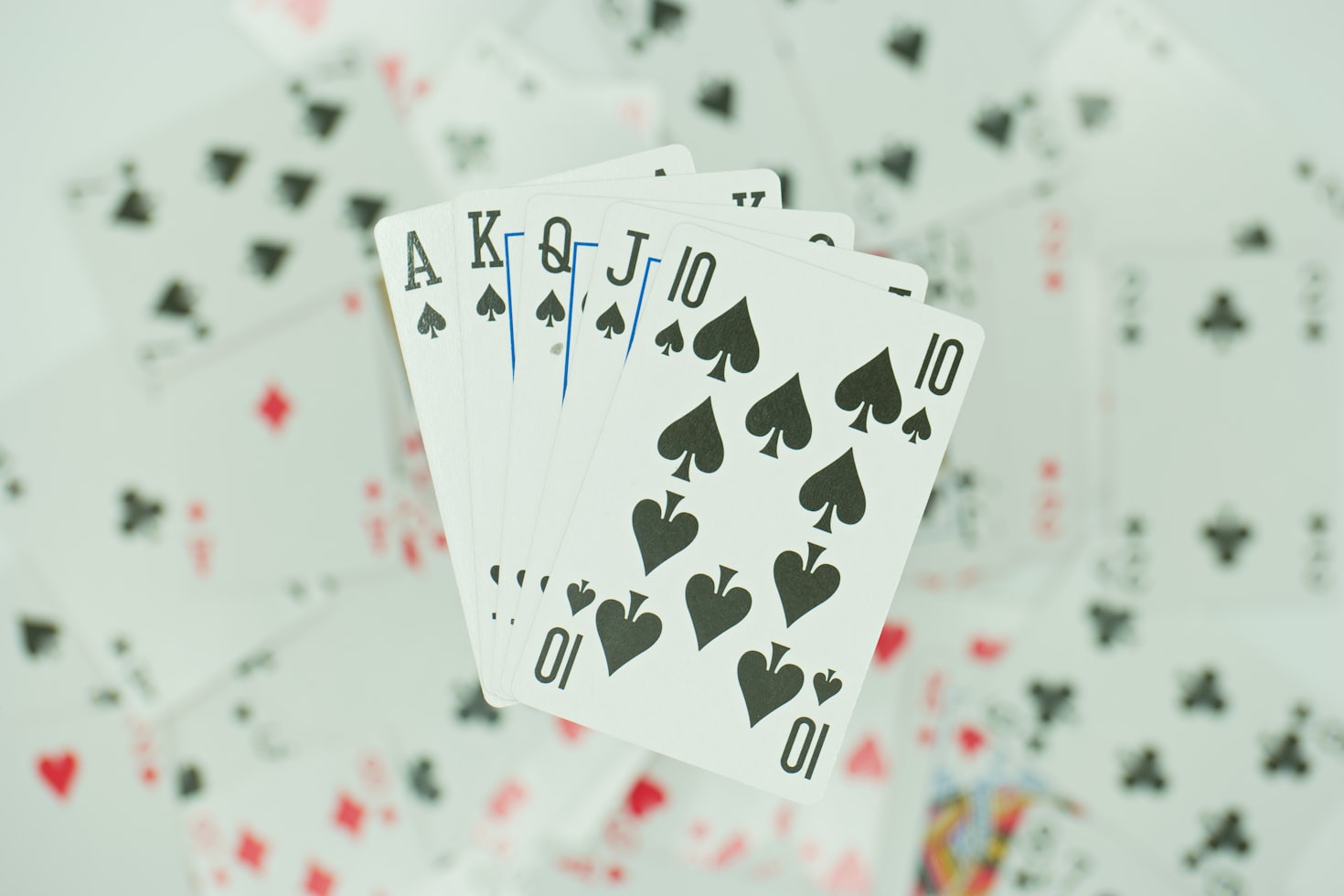
Luck often plays a significant role in short-term outcomes, with random events determining wins and losses in games like slots or roulette. However, attributing all success to luck undermines the importance of skill. Players of skill-based games, such as poker or blackjack, must understand the rules, strategies, and psychology of their opponents. Those who invest the time to learn and practice can significantly improve their odds over time. This blend of luck and skill creates a fascinating dynamic that keeps players engaged.
The context of gambling itself often leads to the perception that luck dominates the outcome. Casual players might see wins as purely coincidental, while seasoned gamblers recognize the skill involved in consistently successful play. Understanding this spectrum helps clarify the expectations of both novice and experienced gamblers, as they learn to appreciate how skill can mitigate luck’s unpredictability and enhance their overall gaming experience.
The Role of Luck in Gambling
Luck is perhaps the most prominent factor in many gambling scenarios, especially in games of pure chance. In these instances, outcomes are not influenced by player decisions or strategies; rather, they hinge on random number generators or the spin of a wheel. This randomness is thrilling, as it introduces an element of surprise and excitement. However, while luck can lead to instant wins, it is inherently unpredictable and cannot be relied upon for consistent success over time.
For example, in games like slot machines or lottery draws, the element of luck is paramount. Players must acknowledge that regardless of the strategies they employ, the odds remain firmly against them. Studies have shown that in the long term, the house edge ensures that casinos will always prevail. Thus, while lucky streaks can occur, relying solely on luck can lead to significant losses, reinforcing the idea that success in gambling may not be sustainable through chance alone.
This reliance on luck can foster a double-edged sword. For those who win frequently, it can instill a false sense of security, encouraging them to believe they are more skilled than they might be. Conversely, those who experience a series of losses may become discouraged, failing to recognize that luck plays a pivotal role and that such outcomes are part of the gambling landscape. Thus, a nuanced understanding of luck in gambling can lead to a healthier approach to gaming.
The Power of Skill in Gambling
While luck may dictate the immediate outcomes of many games, skill is what enables players to make informed decisions that can lead to long-term success. Skill-based games require knowledge of strategy, probability, and psychology, empowering players to navigate the complexities of gambling. In games like poker or blackjack, players must not only understand the rules but also read their opponents and manage their bankroll effectively, making skill a vital component in the pursuit of gambling success.
Additionally, mastering the art of skillful play can significantly enhance a gambler’s experience. Experienced players often employ various strategies, such as card counting in blackjack or bluffing in poker, to gain an edge. These strategies require practice and a thorough understanding of the game, underscoring that skill contributes to a player’s overall success. This preparation can transform an ordinary player into a formidable opponent, capable of manipulating outcomes through strategic play.
Moreover, the development of skills can lead to a greater appreciation of the game. When players recognize the elements of strategy, they can engage more deeply with the experience and enjoy the process. By fostering a combination of analytical skills and emotional intelligence, players not only improve their chances of winning but also cultivate a more enjoyable gambling journey. This underscores the argument that while luck is essential, it is skill that can ultimately dictate success in gambling.
The Psychological Aspects of Gambling
The psychology behind gambling plays a significant role in how players perceive luck and skill. Cognitive biases often lead individuals to overemphasize the role of luck, especially following a win, or to dismiss their abilities after a losing streak. These perceptions can skew a player’s judgment and decision-making, potentially leading to poor choices. Recognizing these biases is crucial for maintaining a balanced approach to gambling, allowing players to cultivate a mindset rooted in both luck and skill.
Furthermore, understanding the psychological aspects of gambling can enhance a player’s performance. For example, managing emotions is key; successful gamblers remain calm under pressure, avoiding the temptation to chase losses or make impulsive bets. Techniques such as mindfulness can help players maintain focus and clarity, improving their overall decision-making. By cultivating self-awareness and emotional control, gamblers can better navigate the highs and lows of gaming.
Additionally, the social element of gambling can amplify these psychological effects. Players often share experiences, exchanging stories of wins and losses, which can reinforce their beliefs about luck or skill. These discussions may shape a player’s attitude towards gambling, encouraging either a reckless approach fueled by luck or a more strategic mindset emphasizing skill development. Thus, understanding the psychology of gambling is essential for navigating its complexities effectively.

About the Gaming Community
The gaming community provides an engaging platform for individuals to explore their interests in gambling, from casual players to seasoned veterans. It fosters a supportive environment where players can share experiences, strategies, and insights about the balance between luck and skill. By connecting with others, players can broaden their understanding of various games and develop their skills while enjoying the camaraderie of fellow enthusiasts.
Online forums, gaming platforms, and social media groups serve as valuable resources for players looking to enhance their gambling journey. They provide access to expert advice, game analyses, and community-driven strategies that emphasize the interplay between luck and skill. This collaborative approach can help players refine their techniques and develop a more comprehensive understanding of the gambling landscape.
In conclusion, the conversation surrounding luck versus skill in gambling is ongoing and multifaceted. By recognizing the significance of both elements, players can approach gambling with a more informed mindset, enhancing their overall experience and success. Engaging with the broader gaming community further enriches this journey, providing opportunities to learn, share, and grow within the exciting world of gambling.
Leave a Reply
You must be logged in to post a comment.